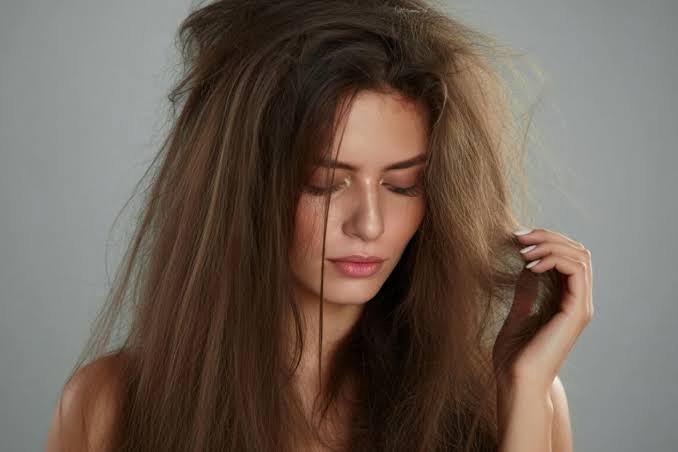
We spend so much time obsessing over hair length, shine, and color that the scalp underneath often gets ignored entirely — until it starts itching, flaking, or feeling uncomfortably oily. These scalp care tips exist because healthy hair genuinely starts at the scalp, not at the ends.
Why Scalp Health Gets Overlooked
Most hair care marketing focuses on the strands themselves — shine, smoothness, split ends — while the scalp, essentially skin that happens to grow hair, gets treated as an afterthought. But a compromised scalp environment affects hair growth, texture, and overall hair health more than most people realize.
Quick answer: Good scalp care starts with proper cleansing frequency based on your scalp type, gentle exfoliation to remove buildup, avoiding excessive heat and product layering, and treating persistent itchiness or flaking as symptoms worth addressing directly.
Figure Out Your Actual Scalp Type
Just like facial skin, scalps can run oily, dry, sensitive, or a combination. Washing an oily scalp only twice a week when it genuinely needs more frequent cleansing just perpetuates the very problem you’re trying to fix, while over-washing a dry scalp strips it further.
Cleansing Frequency Isn’t One-Size-Fits-All
- Oily scalps often do better with cleansing every other day or every two days
- Dry or sensitive scalps typically need less frequent washing, two to three times a week
- Curly or textured hair often needs less frequent washing regardless of scalp oiliness, to preserve natural oils along the length
- Sweat from exercise usually warrants a rinse even if you’re not doing a full wash
Exfoliation Isn’t Just for Skin
Scalp buildup from product, oil, and dead skin cells can clog follicles over time, similar to how pores on facial skin get clogged. A gentle scalp scrub or exfoliating shampoo, used once every one to two weeks, helps clear this buildup and can genuinely improve how comfortable your scalp feels day to day.
Addressing Itchiness and Flaking Directly
Occasional dryness is normal, but persistent itchiness or visible flaking often points to something specific — dandruff caused by a yeast overgrowth, product buildup, or an underlying skin condition. Anti-dandruff shampoos with zinc pyrithione or ketoconazole can help with the former; for anything persistent beyond a few weeks of consistent care, a dermatologist visit is worth it.
Heat and Chemical Damage Affect the Scalp Too
Excessive heat styling near the roots and harsh chemical treatments don’t just damage hair strands — they can irritate the scalp itself, leading to sensitivity and inflammation over time. Giving the scalp breaks between chemical processes, and keeping heat tools at a reasonable distance from the roots, protects more than just your ends.
Scalp Massages Actually Do Something
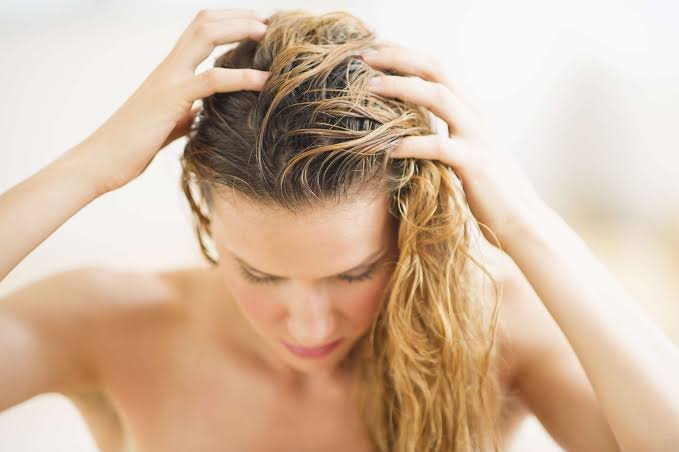
Beyond feeling nice, regular scalp massage may help improve blood circulation to hair follicles, which some research suggests can support healthier hair growth over time. A few minutes with your fingertips, or a scalp massage tool, during your shower routine costs nothing extra and takes very little time.
Product Buildup Is a Common Hidden Issue
Dry shampoo, styling gels, and heavy conditioners that aren’t fully rinsed can accumulate on the scalp over time, especially if you’re not washing frequently enough to clear it. Has this ever happened to you, where your scalp feels persistently itchy despite washing regularly? Buildup from incomplete rinsing is often the overlooked culprit.
Diet and Scalp Health
Nutritional deficiencies, particularly in iron, zinc, and certain B vitamins, can contribute to scalp issues and hair thinning. This isn’t a replacement for proper scalp care, but it’s worth considering if topical care alone isn’t resolving persistent problems.
FAQ
How often should I wash my scalp if it’s oily? Every other day tends to work well for oily scalps, though this varies based on individual oil production and activity levels.
Can scalp buildup cause hair thinning? Chronic buildup can contribute to an unhealthy follicle environment, though it’s usually not the sole cause of significant hair thinning.
Is scalp exfoliation safe for color-treated hair? Yes, generally, though it’s worth choosing a gentle formula and avoiding it too close to a fresh color treatment.
What’s the difference between dandruff and a dry scalp? Dandruff typically involves larger, oilier flakes often linked to yeast overgrowth, while dry scalp produces smaller, drier flakes from lack of moisture.
Does scalp massage actually help hair growth? Some evidence suggests it may improve circulation to follicles, though it works best alongside, not instead of, a healthy overall hair care routine.
Conclusion
Good scalp care tips ultimately come down to treating your scalp as the skin it actually is — matching cleansing frequency to your specific type, clearing buildup regularly, and addressing persistent issues directly rather than just masking them with styling products. Healthy hair really does start at the root, in the most literal sense possible. [link to related guide about repairing heat damaged hair here]
Suggested Alt Text:
- Image 1: “Woman doing scalp massage during shower routine”
- Image 2: “Scalp exfoliating scrub product for buildup removal”