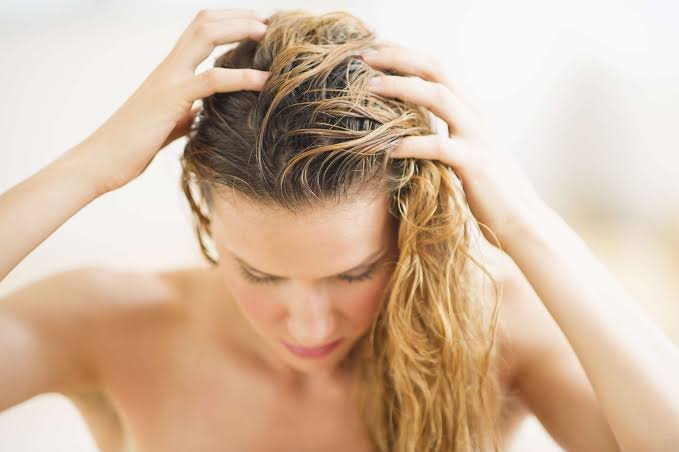
There’s a specific kind of heartbreak in running your fingers through hair that used to feel smooth and now feels like straw. Years of straighteners, blow dryers, and curling irons add up, and eventually your hair starts showing it — split ends, dullness, a texture that just feels off. Learning how to repair heat damaged hair naturally isn’t an overnight fix, but it is genuinely achievable with the right consistent habits.
What Heat Damage Actually Does to Hair
Excessive heat breaks down the protein structure within each hair strand, damaging the cuticle layer that normally keeps hair smooth and reflective. Once that cuticle is compromised, hair loses moisture faster, tangles more easily, and loses its natural shine — this is why heat-damaged hair often looks dull no matter how much product you use.
Quick answer: Repairing heat-damaged hair naturally involves stopping further heat exposure, deep conditioning regularly with protein and moisture treatments, trimming split ends, and using natural oils to restore some flexibility and shine over several weeks to months.
Step One: Pause Heat Styling, Even Temporarily
This is the step everyone wants to skip, but it’s genuinely the most important one. Continuing to apply heat to already-damaged hair prevents any real recovery — you’re essentially trying to repair a wound while continuing to reopen it. Even a few weeks of air-drying or low-heat styling makes a measurable difference.
Step Two: Deep Condition Consistently
Weekly deep conditioning treatments help restore some moisture to damaged strands, though they can’t fully reverse structural protein damage. Look for ingredients like shea butter, argan oil, or hydrolyzed proteins, which penetrate the hair shaft rather than just coating the surface temporarily.
Step Three: Protein Treatments, But Not Too Often
- Protein treatments temporarily fill in gaps in the damaged cuticle, improving strength and reducing breakage
- Overusing protein treatments can make hair feel stiff or brittle, so once every one to two weeks is usually enough
- Alternate protein treatments with pure moisture treatments to avoid protein overload
- Signs of protein overload include unusual stiffness or increased breakage despite treatment
Natural Oils That Genuinely Help
Coconut oil, applied before washing and left for 20-30 minutes, has been shown in some studies to reduce protein loss in hair better than several other oils. Argan oil and jojoba oil, used lightly on the lengths and ends, help restore some flexibility and shine without weighing hair down.
Trimming Is Part of Repair, Not Giving Up
Split ends don’t heal — they only get worse, traveling further up the strand over time. Regular trims, even just a small amount every eight to ten weeks, prevent existing damage from spreading and make the rest of your repair efforts actually visible rather than constantly undone by splitting ends.
Adjusting Your Washing Routine
Hot water strips moisture from already-compromised hair faster than lukewarm water. A final cool rinse after conditioning helps seal the cuticle slightly, improving shine and reducing tangling — a small habit that costs nothing but genuinely adds up over weeks of consistent use.
Protecting Hair While It Recovers
If you can’t avoid heat styling entirely, a quality heat protectant is non-negotiable, and lowering the actual temperature setting on your tools makes a real difference too. Many people use far higher heat settings than their hair type actually needs — fine or damaged hair rarely needs the highest setting on any tool.
Realistic Timeline for Recovery
Hair that’s already damaged can’t be structurally repaired — only new growth comes in undamaged. But the visible appearance of existing hair — softness, shine, reduced breakage — genuinely improves over 8-12 weeks of consistent care, even though full “repair” in the truest sense happens gradually as damaged hair is trimmed away and replaced by healthier growth.
FAQ
Can heat damaged hair be fully repaired? Not structurally — damaged hair strands can’t be restored to their original state, but consistent care significantly improves appearance and manageability while new healthy growth comes in.
How often should I deep condition heat damaged hair? Weekly deep conditioning is generally recommended, with protein treatments added every one to two weeks depending on how your hair responds.
Does coconut oil really help with heat damaged hair? Some research suggests coconut oil reduces protein loss better than certain other oils, making it a genuinely useful pre-wash treatment for damaged strands.
How long does it take to see improvement in heat damaged hair? Most people notice visible improvement in softness and shine within 8-12 weeks of consistent deep conditioning and reduced heat exposure.
Should I stop using heat tools completely to repair damage? Ideally yes, at least temporarily — even reducing heat styling frequency and using a heat protectant every time makes a meaningful difference.
Conclusion
Learning how to repair heat damaged hair naturally takes patience more than any single product — reducing heat exposure, deep conditioning consistently, and trimming regularly will do more for your hair over a few months than any single miracle treatment. Give your hair the break it’s asking for, and the shine tends to come back on its own timeline.
Suggested Alt Text:
- Image 1: “Woman applying deep conditioning mask to heat damaged hair”
- Image 2: “Coconut oil pre-wash treatment for hair repair”