Picking a new hair color from a salon lookbook is deceptively hard — a shade that looked stunning on the model can look completely different once it’s actually on your head. The missing piece is usually hair color for skin tone matching, which most people skip entirely in favor of just picking whatever’s trending.
Why Skin Tone Matters More Than Trend
Hair color sits directly next to your face, and colors that clash with your skin’s undertone can make you look washed out or oddly flushed, regardless of how flattering that same shade looks on someone else. Matching undertones is the difference between a color that looks intentional and one that looks slightly off in every photo.
Quick answer: Warm skin undertones generally suit warm hair colors like golden brown, caramel, or copper, while cool undertones pair better with ash tones, cool browns, or blue-black shades — neutral undertones have the most flexibility.
Figuring Out Your Undertone First
Check the veins on your wrist in natural light. Greenish veins usually indicate a warm undertone; bluish or purple veins suggest cool; a mix of both often means neutral. Another quick test: gold jewelry flatters warm undertones more, while silver tends to flatter cool undertones — if both look equally good, you’re likely neutral.
Best Hair Colors for Warm Undertones
Golden brown, honey blonde, copper, and warm caramel tones tend to complement warm skin beautifully, echoing the same warmth already present in the skin. Avoid overly ashy or platinum shades, which can create a stark, sometimes unflattering contrast against warm undertones.
Best Hair Colors for Cool Undertones
- Ash brown or ash blonde shades
- Cool-toned black or blue-black
- Burgundy or cool-toned auburn
- Platinum blonde, which often reads beautifully on cool undertones specifically
Best Hair Colors for Neutral Undertones
This is genuinely the easiest group to shop for — neutral undertones can pull off both warm and cool shades reasonably well. The main consideration becomes personal preference and how much maintenance a given color requires, rather than what will or won’t clash.
Considering Your Natural Base Color
Going from very dark natural hair to platinum blonde, for example, requires significant processing and upkeep, which affects hair health over time. Choosing a shade within two or three levels of your natural color, at least initially, tends to look more natural and requires less aggressive maintenance.
Skin Tone Depth Matters Too, Not Just Undertone
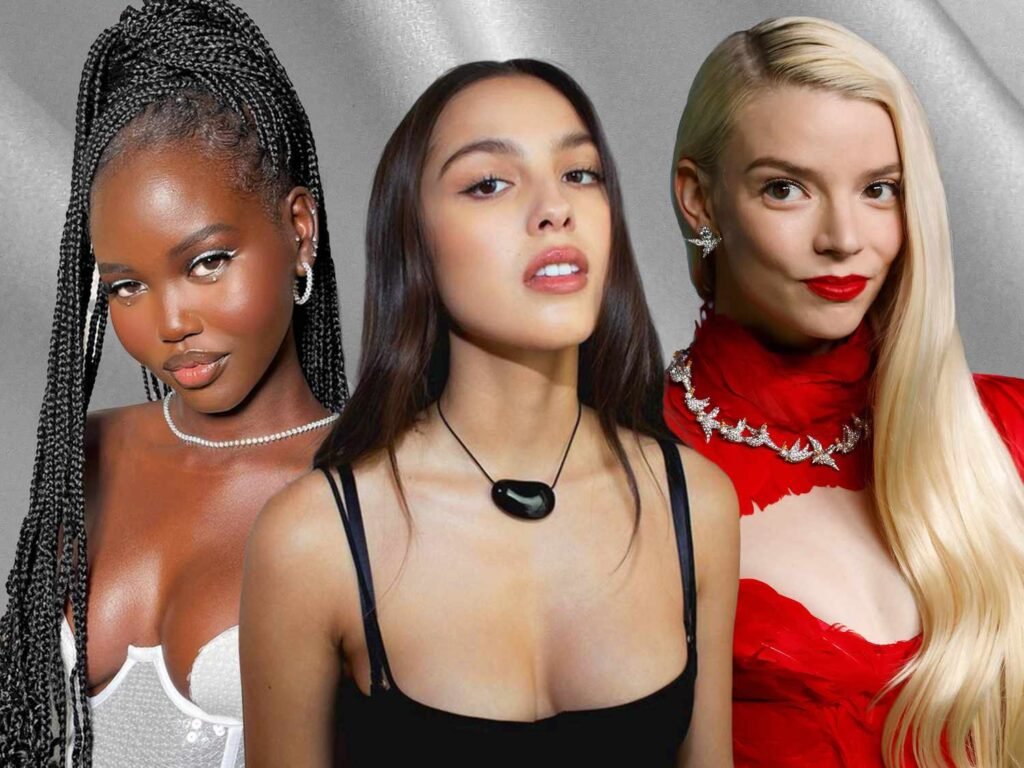
Fair, medium, and deep skin tones each pair with certain color depths more naturally. Very light hair against very deep skin can create high contrast that some love and others find overwhelming; similarly, very dark hair against very fair skin creates a strong, dramatic effect that isn’t for everyone. Neither is “wrong” — it’s genuinely about the look you’re going for.
Testing Before Committing
Most salons offer temporary color options, or you can use hair color filter apps for a rough preview before committing to a full process. I’ve noticed clients who skip this step and go straight to a dramatic color change are more likely to regret the decision than those who ease into it gradually.
Maintenance Realities of Different Shades
Warmer tones like copper tend to fade faster and need more frequent touch-ups. Ash and cool tones can develop brassiness over time without purple or blue-toned shampoo. Factor maintenance effort into your decision, not just how the color looks on day one.
FAQ
How do I know if I have a warm or cool undertone? Check your wrist veins in natural light — greenish suggests warm, bluish suggests cool, and a mix usually means neutral.
Can I dye my hair a color that doesn’t match my undertone? You can, but it may require adjusting your makeup and styling to balance the contrast — matching undertones simply makes the color look more effortlessly flattering.
Does hair color for skin tone matter for gray coverage too? Yes, choosing a shade aligned with your undertone helps gray coverage blend more naturally rather than looking flat or artificial.
What’s the safest hair color choice for neutral undertones? Neutral undertones have flexibility, but soft browns and balayage tend to be universally flattering starting points.
How often do warm-toned hair colors need touch-ups? Warm shades like copper typically fade within 4-6 weeks and need more frequent maintenance than cooler, more stable tones.
Conclusion
Choosing the right hair color for skin tone comes down to understanding your undertone first, then working with your natural depth rather than against it. A shade that complements your skin will always read more effortless than one chosen purely off a trend — take the extra few minutes to figure out your undertone before your next salon appointment.
Suggested Alt Text:
- Image 1: “Woman checking hair color options against skin tone”
- Image 2: “Hair color swatches for warm and cool undertones”