Somewhere around 30, a lot of women go through the same closet crisis — half the clothes don’t fit the life they’re living anymore, and the other half were bought on a whim five years ago and never worn twice. Figuring out real wardrobe essentials after 30 isn’t about buying “grown-up” clothes; it’s about buying fewer things that actually work harder.
Why Your 20s Wardrobe Doesn’t Always Translate
In your 20s, trends move fast and budgets are usually tighter, so wardrobes end up full of trend pieces bought cheap. By 30, most women have a better sense of what actually suits them, more disposable income to spend on quality, and less patience for clothes that only look good in photos.
Quick answer: The core wardrobe essentials after 30 are a well-fitted blazer, quality denim, a versatile trench or coat, comfortable heels, and a few investment tops that work across both office and casual settings.
The Blazer That Does Everything
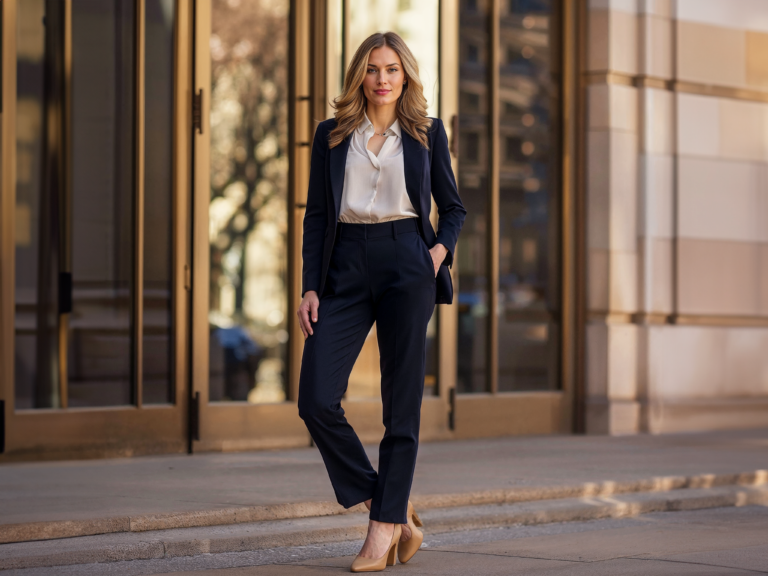
A well-tailored blazer is arguably the single most useful piece you can own. Thrown over jeans, it looks put-together for coffee with friends. Worn over a simple dress, it’s suddenly appropriate for a client meeting. Spend a little more here than you would elsewhere — fit matters more with blazers than almost any other garment.
Denim That Actually Fits
Cheap denim loses shape within a few washes. A couple of well-fitted pairs — one straight leg, one that flatters your specific body shape — outlast a drawer full of fast fashion jeans, both in durability and in how often you’ll actually reach for them.
Building Around Neutral Colors
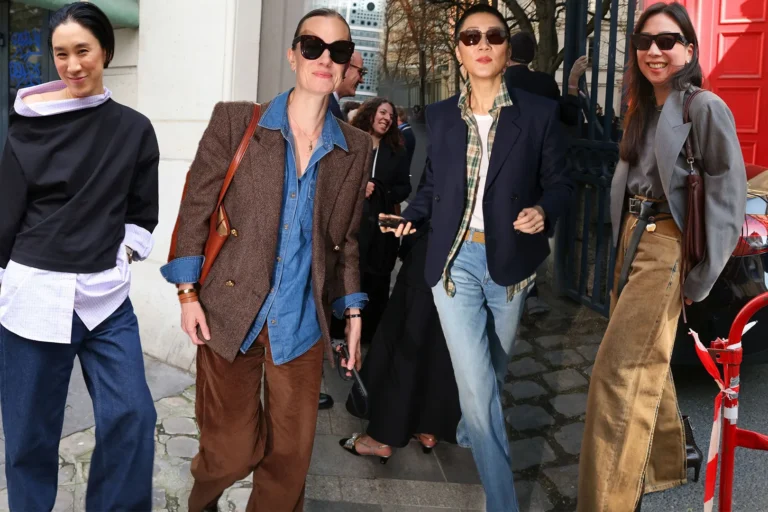
- Black, navy, camel, and white form a base that mixes endlessly
- One or two statement colors keep things from feeling boring
- Prints work best as accents, not as half your closet
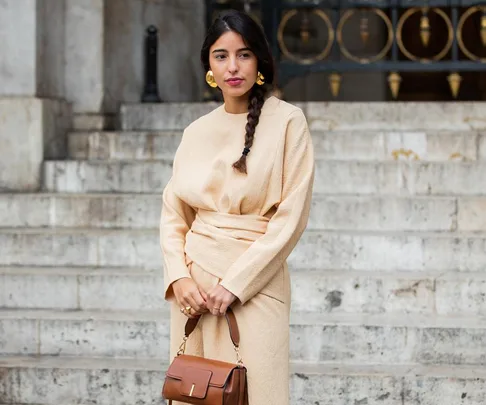
- Textured neutrals (like a ribbed knit) add interest without needing color
Shoes You Can Actually Walk In
Nobody talks about this enough — by 30, most women have figured out that beauty and comfort don’t have to be opposites. A quality pair of block heels or loafers that you can wear all day changes how often you reach for them versus letting them sit in the box. I’ve noticed my own “good shoes” pile shrank a lot once I stopped buying anything I couldn’t walk two kilometers in.
The Coat or Trench That Elevates Everything
A well-cut coat instantly makes even a basic outfit look intentional. It doesn’t need to be expensive, but it does need to fit through the shoulders properly — that’s the detail that separates “elevated” from “just wearing a coat because it’s cold.”
Investment Tops Worth the Money
Silk or good-quality cotton blouses in versatile colors go from desk to dinner without changing. Unlike trend tops that feel dated within a year, classic silhouettes in quality fabric stay relevant far longer, which actually makes them cheaper per wear over time even with a higher upfront cost.
What to Let Go Of
Clearing out is half the work of building a better wardrobe. Anything that requires you to “suck in” to fit, anything you’ve kept “just in case” for three years without wearing, and trend pieces that already feel dated — these are the first things to donate or sell.
FAQ
How many wardrobe essentials does a woman really need after 30? There’s no exact number, but a focused capsule of 25-35 well-chosen pieces usually covers most needs, mixed and matched across occasions.
Is it worth spending more on wardrobe essentials in your 30s? Generally yes for high-wear items like blazers, denim, and shoes — better construction means the pieces last longer and look better over time.
What colors work best for a versatile wardrobe after 30? Neutrals like black, navy, camel, and white are the most flexible, with one or two statement colors added for personality.
Should I completely replace my 20s wardrobe at 30? Not entirely — keep what still fits your lifestyle and body, and gradually replace worn-out or ill-fitting pieces with better quality alternatives.
Are trends still worth buying into after 30? Sure, but treat them as accents rather than foundation pieces — a trendy accessory ages better in your closet than a trendy dress.
Conclusion
Building a wardrobe of true wardrobe essentials after 30 isn’t about spending more for the sake of it — it’s about buying fewer, better pieces that actually match how you live now. Start with the blazer, the denim, and one great coat, and build outward from there. Your future self, standing in front of a closet that actually makes sense, will thank you.
Suggested Alt Text:
- Image 1: “Woman in tailored blazer and denim wardrobe essentials”
- Image 2: “Neutral color capsule wardrobe hanging in closet”