You’ve got decent products, you’ve watched the tutorials, and somehow your makeup still doesn’t look quite like it’s supposed to. More often than not, it’s not the products — it’s a handful of common makeup application mistakes that are surprisingly easy to fix once you actually notice them.
Why Application Technique Matters More Than Product Quality
Expensive products applied poorly will always look worse than affordable products applied with good technique. This isn’t a controversial take among makeup artists — technique consistently outweighs product price when it comes to how a finished look actually reads.
Quick answer: The most common makeup mistakes are wrong foundation shade matching, skipping skin prep, over-applying powder, poor blending at the jawline, and applying products in the wrong order — all fixable with small technique adjustments.
Mistake One: Wrong Foundation Undertone
Matching foundation shade isn’t just about lightness or darkness — undertone matters just as much. A foundation that’s the right shade but wrong undertone (too pink, too yellow, too gray) will look off no matter how well it’s blended. Test shades along the jawline in natural light, never under store fluorescents.
Mistake Two: Skipping Skin Prep
Applying makeup on unprepped, dry skin causes it to grab onto flaky patches and settle into fine lines much faster. A quick moisturizer, given a few minutes to absorb before foundation, makes a genuinely noticeable difference in how smoothly everything applies afterward.
Mistake Three: Overdoing Setting Powder
Powder is meant to set makeup in place, not to eliminate every trace of shine from your entire face. Over-powdering, especially in dry areas, creates a flat, cakey texture that actually looks less natural than a bit of healthy shine would.
Mistake Four: Not Blending Into the Jawline and Hairline
- Foundation that stops abruptly at the jaw creates an obvious line, especially in photos
- Blending down the neck slightly, and up into the hairline, avoids the “mask” effect
- A damp makeup sponge helps blend these transition areas more seamlessly than a dry brush
Mistake Five: Applying Products in the Wrong Order
Skincare, then primer, then foundation, then concealer, then powder — order matters. Applying concealer before foundation, for example, often means you end up removing some of it while blending foundation over top, wasting product and effort.
Mistake Six: Overplucked or Unbalanced Brows
Brows frame the entire face, and uneven or overplucked brows can throw off an otherwise well-done makeup look. Filling in sparse areas with light, hair-like strokes rather than solid color creates a far more natural result than a heavy, drawn-on look.
Mistake Seven: Ignoring Eye Shape When Applying Eyeshadow
Following a tutorial exactly, regardless of your own eye shape, is a common trap. Techniques need adjusting for hooded, deep-set, monolid, or downturned eyes — what works on the tutorial creator’s eye shape doesn’t automatically translate to yours.
Mistake Eight: Too Much Product at Once
Building coverage gradually — thin layers of foundation, concealer applied only where needed, blush added a little at a time — almost always looks better than applying a heavy amount all at once and trying to blend it down afterward.
Small Fixes That Make a Big Difference
A damp beauty sponge instead of a dry brush for foundation, setting spray instead of heavy powder for a natural finish, and taking the extra thirty seconds to blend jawline and hairline transitions — these small adjustments fix most of the mistakes above without requiring any new products at all.
FAQ
Why does my foundation look cakey by midday? This is usually caused by skipping skin prep, over-applying product, or using too much setting powder — all of which cause makeup to sit unevenly as the day goes on.
How do I know if my foundation shade is wrong? If it looks fine in the mirror but off in photos or natural light, the undertone is likely mismatched rather than the overall lightness or darkness.
Should I apply concealer before or after foundation? Generally after, so you can see exactly where extra coverage is still needed rather than guessing and potentially over-applying.
Why does my eyeshadow look patchy? Skipping an eyeshadow primer or base, and not blending thoroughly between shades, are the most common causes of patchy application.
How can I make my makeup last longer through the day? Proper skin prep, a lightweight setting spray, and avoiding heavy powder are more effective for longevity than reapplying products throughout the day.
Conclusion
Most common makeup application mistakes aren’t about needing better products — they’re small technique gaps that are genuinely easy to correct once you know what to look for. Fix the shade match, prep your skin properly, blend your transitions, and apply in the right order, and the same makeup bag you already own will suddenly perform noticeably better.
Suggested Alt Text:
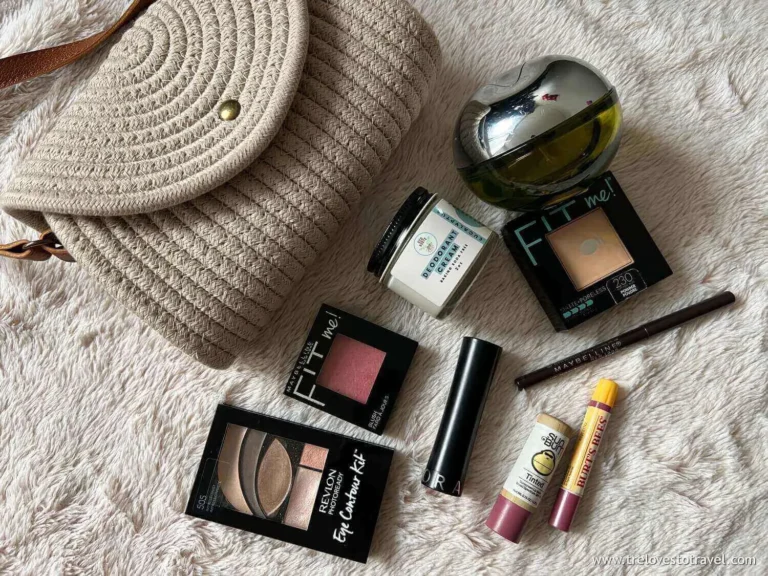
- Image 1: “Blending foundation at jawline with damp makeup sponge”
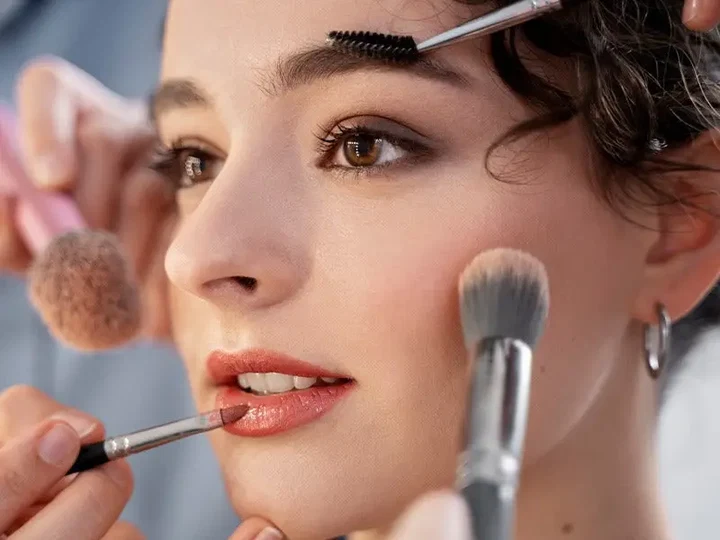
- Image 2: “Testing foundation shade match on jawline in natural light”