Introduction
Your heart’s racing before a big presentation, or maybe it’s 11 p.m. and your brain won’t stop replaying that awkward thing you said at lunch. Either way, you don’t need a meditation app subscription to feel better — you need breathing exercises for calm that you can do anywhere, in under three minutes, without anyone even noticing. I’ve used these in traffic jams, job interviews, and once in the middle of a wedding speech I wasn’t ready to give.
Why Breathing Actually Calms You Down
Direct answer: slow, controlled breathing activates your vagus nerve and shifts your body from “fight or flight” mode into a calmer parasympathetic state — usually within 60 to 90 seconds.
It’s not magic, it’s biology. When you breathe fast and shallow, your brain reads that as danger and pumps out more stress hormones. Slow the breath down, and your brain gets the memo that things are okay.
The 4-7-8 Technique
This one’s become almost famous, and for good reason:
- Inhale through your nose for 4 seconds
- Hold for 7 seconds
- Exhale slowly through your mouth for 8 seconds
- Repeat 4 times
I’ll be honest, the first time I tried this I felt light-headed. That’s normal — don’t force it, just do fewer rounds until your body adjusts.
Box Breathing (Used by Navy SEALs, Seriously)
Equal counts on all four parts: inhale 4, hold 4, exhale 4, hold 4. Simple to remember, which matters when you’re too stressed to think straight.
Belly Breathing for Beginners
Most people breathe from their chest, which is shallow and doesn’t help much. Place one hand on your chest, one on your belly. Breathe so only the belly hand moves. Do this for 2 minutes and notice the difference.
Breathing Exercises You Can Do at Your Desk
You don’t need to close your eyes and sit cross-legged for breathing exercises for calm to work. Try this at your desk:
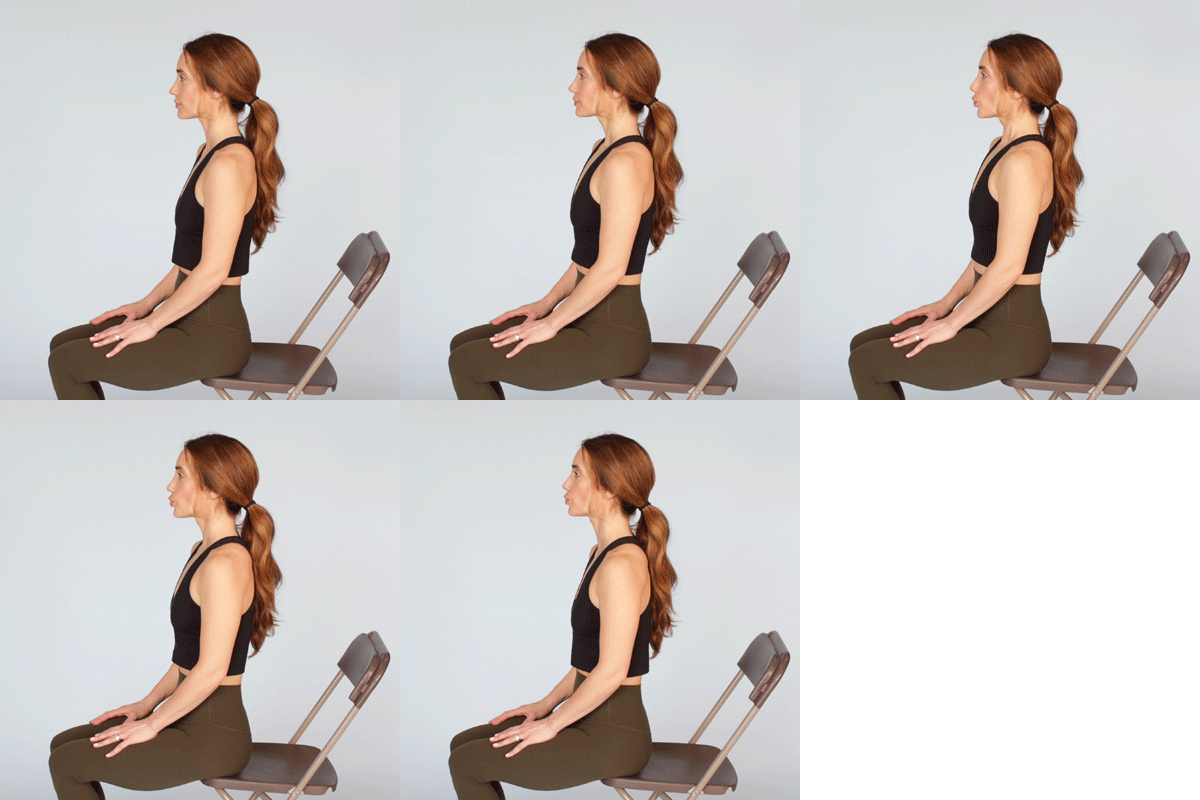
- Six slow breaths, in through the nose, out through the mouth
- Keep your shoulders relaxed, not hunched toward your ears
- Do it before checking that email you’ve been dreading
Using Breath Before Sleep
Racing thoughts at bedtime are common — a working mother I know in Pune swears by doing 10 rounds of 4-7-8 breathing lying in bed, phone away, lights off. She says she’s usually asleep before round eight.
[link to related guide on digital detox routine here]
When Breathing Exercises Aren’t Enough
If anxiety is constant and not tied to a specific moment, breathing helps in the short term but it’s worth talking to a counselor or doctor too. There’s no shame in that at all.
Alt text suggestions: “Woman practicing breathing exercises for calm at her desk”, “Illustration of 4-7-8 breathing technique steps”, “Person doing belly breathing exercise lying down”
FAQs
How fast do breathing exercises work? Most people feel some shift within 60-90 seconds, though full calm might take a few rounds, especially the first few times you try it.
Which breathing exercise is best for anxiety? 4-7-8 breathing is popular for anxiety specifically because the extended exhale slows your heart rate more than equal-count methods.
Can breathing exercises replace therapy? No — they’re a helpful, immediate tool but not a substitute for professional support if anxiety is a regular, ongoing struggle.
Is it normal to feel dizzy while doing these? A little lightheadedness at first is common, especially with 4-7-8. Slow down or do fewer rounds if it happens.
Can I do breathing exercises in public without anyone noticing? Yes, box breathing and simple belly breaths are subtle enough to do in a meeting or on a bus without drawing attention.
Conclusion
You don’t need candles, incense, or forty minutes of silence to feel calmer — sometimes it really is just about six or eight intentional breaths. Try the 4-7-8 method next time your chest feels tight, and keep it in your back pocket for exam days, tough conversations, or 3 a.m. overthinking sessions. Pick one technique from this list and actually practice it today, not “someday.”